The Heartbeat of Healthcare: Understanding the Patient Care Technician Role
You know, when I think about healthcare, my mind often goes straight to the doctors and nurses, and rightly so. They're incredible professionals. But what about the folks working right alongside them, often behind the scenes, making sure everything runs smoothly and patients feel genuinely cared for? I'm talking about Patient Care Technicians, or PCTs. These individuals are absolutely vital, forming the backbone of patient support in so many settings. If you’ve ever had a stay in a hospital or needed ongoing medical assistance, chances are a PCT was there, offering a comforting hand or making sure you had what you needed. Their role is incredibly hands-on and requires a special blend of technical skill and genuine compassion. It's a job that isn't just about tasks; it's about people.
What Does a PCT Actually Do? It's More Than You Think!
So, what exactly does a Patient Care Technician do on a daily basis? Well, it's a dynamic role, let me tell you. Their responsibilities can vary a bit depending on where they work, but generally, they're the direct line of support for patients, assisting nurses and other medical staff. When I consider their daily grind, I realize it's a really diverse set of tasks.
- Direct Patient Care: This is a big one. PCTs help patients with their daily living activities. This means assisting with personal hygiene, like bathing, dressing, and grooming. They're often the ones helping patients move around, get in and out of bed, or ambulate down the hall. It sounds simple, but for someone who's weak or recovering, this help is invaluable. We're talking about maintaining dignity and comfort here, which is super important.
- Monitoring and Documentation: A PCT is always keeping an eye on things. They regularly take and record vital signs—temperature, pulse, respiration, and blood pressure. They also track fluid intake and output, collect specimens like urine or stool samples, and meticulously document all observations. This data is critical for nurses and doctors to assess a patient's condition and adjust treatment plans. They really are the eyes and ears on the ground.
- Performing Basic Medical Procedures: Depending on their training and state regulations, many PCTs perform procedures that might surprise you. This could include phlebotomy (drawing blood), performing EKGs (electrocardiograms) to check heart activity, or even assisting with catheter care. They might also help with wound care or apply basic dressings. It’s a lot of responsibility!
- Patient Communication and Support: Beyond the physical tasks, PCTs are often the first point of contact for patients and their families. They answer call lights, address immediate concerns, and provide emotional support. Sometimes, just having someone there to listen, to explain what’s happening in simple terms, or to offer a reassuring word makes all the difference. It's not just about medication; it's about reassurance and a friendly face.
- Maintaining a Safe Environment: They also play a crucial role in maintaining a clean and safe environment for patients. This includes changing linens, restocking supplies, and ensuring rooms are tidy and hazard-free. A clean space isn't just about aesthetics; it's about preventing infections and promoting healing.
Where Do PCTs Hang Their Hats? Diverse Workplaces!
One of the cool things about being a PCT is the variety of places you can work. It's not just hospitals, though that's certainly a major one. I’ve seen PCTs thriving in so many different healthcare settings:
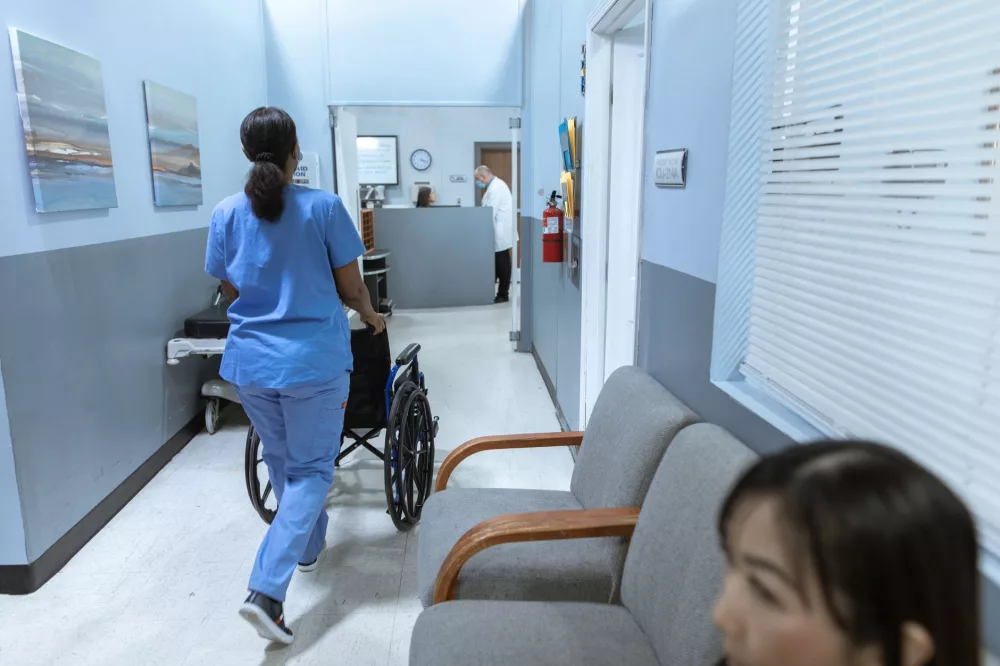
- Hospitals: This is where a lot of PCTs start, working on various units like medical-surgical floors, emergency rooms, or even intensive care units (under closer supervision, of course). They’re integral to the daily operations of these busy environments.
- Long-Term Care Facilities and Nursing Homes: Here, PCTs provide continuous care for residents, often building long-term relationships with them. This work focuses heavily on daily living assistance and monitoring chronic conditions.
- Clinics and Doctor's Offices: Some outpatient clinics employ PCTs to help with vital signs, prepare patients for exams, or assist with minor procedures.
- Home Health Agencies: For patients who need care in their own homes, PCTs can provide essential services, helping individuals maintain their independence and comfort in a familiar environment.
- Dialysis Centers: Many PCTs specialize in renal care, assisting patients undergoing dialysis treatments. This requires specific training and a deep understanding of kidney disease.
What Makes a Great PCT? Skills and Heart!
To be truly successful as a PCT, you really need more than just technical skills. It's a role that demands a certain type of person. I always think about a few key qualities:
- Empathy and Compassion: This is non-negotiable. Patients are often at their most vulnerable, and a PCT's ability to understand and share their feelings, to genuinely care, is absolutely critical.
- Communication Skills: You're constantly interacting with patients, families, nurses, and doctors. Being able to listen actively, explain clearly, and report accurately is so important.
- Attention to Detail: From recording vitals to observing subtle changes in a patient's condition, precision really matters. Mistakes can have serious consequences.
- Physical Stamina and Resilience: It’s a demanding job, physically and emotionally. You're on your feet a lot, lifting, turning, and helping patients. Plus, you see a lot, and you need to be able to handle stressful situations.
- Teamwork: Healthcare is a team sport, plain and simple. PCTs work hand-in-hand with nurses and other staff, so being a good team player is a must.
Your Path to Becoming a PCT: Education and Beyond
If this sounds like something you'd be good at, becoming a PCT is pretty accessible. Most individuals complete a training program, often offered at community colleges or vocational schools. These programs typically take anywhere from a few weeks to several months and cover topics like anatomy, physiology, medical terminology, basic patient care, and sometimes specialized skills like phlebotomy and EKG interpretation. After completing a program, many states or employers require certification. This usually involves passing an exam from a recognized organization. While a high school diploma or GED is usually the main prerequisite for these programs, some places might ask for a little more.
Looking Ahead: Career Outlook and Growth
The outlook for PCTs is really positive, actually! The healthcare industry is always growing, especially with an aging population, so the demand for skilled and compassionate healthcare support staff remains high. Many PCTs see this role as a fantastic entry point into the medical field. It's an excellent way to get hands-on experience and confirm if healthcare is truly your calling before investing in a longer degree. I know so many people who started as PCTs and went on to become LPNs, RNs, or even pursue other advanced healthcare professions. The skills you gain are foundational and transferable, which is awesome.
Ultimately, a Patient Care Technician’s job is about more than just tasks. It’s about human connection, dignity, and providing essential support when people need it most. They don't always get the spotlight, but I truly believe they are indispensable members of any healthcare team. They're right there, day in and day out, ensuring patients receive the kind of care that truly makes a difference. It’s a challenging job, no doubt, but the rewards of helping someone heal and feel better? Well, those are immeasurable.