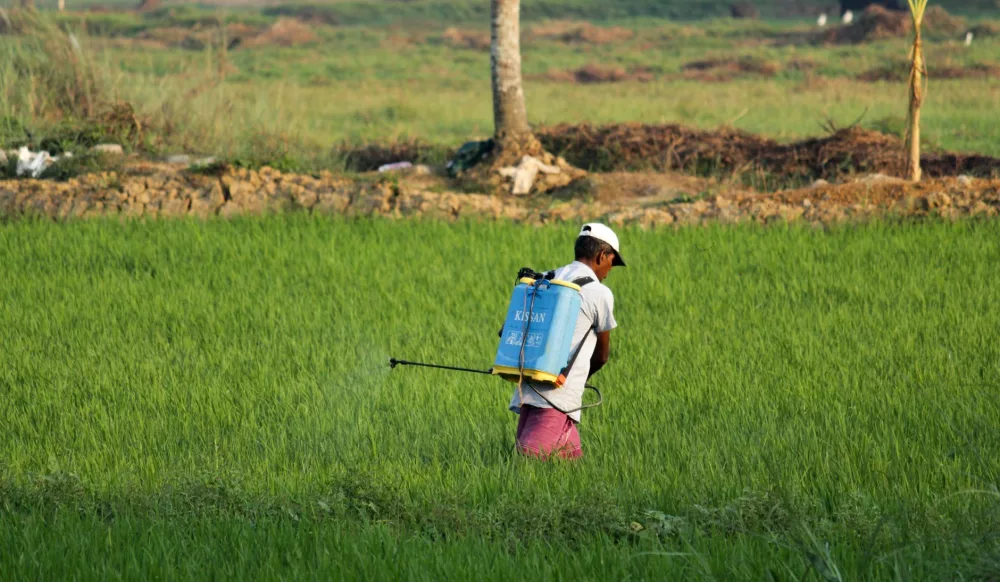
What Exactly is a Kisan Loan, Anyway?
When we talk about the backbone of India, agriculture immediately comes to mind. It’s an undeniable truth, isn't it? Millions of farmers across our vast nation tirelessly work the land, feeding not just their families but our entire country. But farming, as I've observed, is also an incredibly capital-intensive venture, often unpredictable and subject to the whims of weather and market fluctuations. This is where the concept of a Kisan Loan, or farmer's loan, steps in as a critical financial tool. Essentially, a Kisan Loan is a credit facility specifically designed to meet the diverse financial needs of farmers.
I've always seen these loans as more than just money; they're a lifeline, providing timely and adequate credit support to cultivators for various agricultural purposes. This includes everything from purchasing seeds, fertilizers, and pesticides to investing in farm machinery, developing irrigation facilities, or even meeting household consumption needs during cultivation periods. The primary objective, as I understand it, is to shield farmers from the clutches of informal money lenders who often charge exorbitant interest rates, ensuring they have access to institutional credit at reasonable terms.
A Brief History of Agricultural Credit in India
To truly appreciate the Kisan Loan, I think it's important to understand its roots. India's agricultural credit system has a long and evolving history. For decades, farmers largely relied on moneylenders, a system that trapped many in a cycle of debt. Post-independence, the government made concerted efforts to institutionalize agricultural credit through cooperative banks, regional rural banks, and commercial banks. However, these efforts often fell short due to complex procedures, lack of accessibility, and inadequate outreach.
Then came the groundbreaking introduction of the Kisan Credit Card (KCC) scheme in 1998. I remember when it was launched; it was a game-changer. The KCC aimed to provide revolving credit with a simple and flexible procedure, empowering farmers to purchase agricultural inputs and withdraw cash whenever needed. It was a significant step towards formalizing and streamlining agricultural finance, simplifying access to credit for millions.
Diverse Needs, Diverse Loans: Types of Kisan Loans
It's fascinating how the financial sector has adapted to cater to the very specific needs of agriculture. When we talk about Kisan Loans, it's not a one-size-fits-all product. There are several categories, each tailored for different purposes. I'll break down the main ones for you:
Kisan Credit Card (KCC)
This is probably the most well-known type, and for good reason. The KCC is primarily a short-term credit facility. It provides working capital for crop cultivation, covering expenses like buying seeds, fertilizers, pesticides, and labor costs. Farmers can draw funds multiple times up to their credit limit, and repayment schedules are usually aligned with harvest periods. Interest rates are generally subsidized, and often, prompt repayment qualifies farmers for interest subvention schemes from the government.
Agricultural Term Loans
Unlike the KCC, term loans are for longer-term investments. If a farmer wants to buy a new tractor, install a drip irrigation system, dig a borewell, construct a cold storage unit, or even buy more land, a term loan is what they'd typically look for. These loans have fixed repayment schedules, often spanning several years, allowing farmers to make significant improvements to their farming operations and increase productivity.
Loans for Allied Agricultural Activities
Farming isn't just about crops anymore; it's a much broader ecosystem. Many farmers supplement their income through allied activities like dairy farming, poultry, fisheries, piggery, or even sericulture. Banks offer specific Kisan Loans to support these ventures, helping farmers purchase livestock, build sheds, or invest in necessary equipment. I think this diversification is crucial for income stability.
Crop Loans and Investment Loans
Sometimes, KCCs are categorized under 'crop loans' due to their focus on cultivation expenses. 'Investment loans' broadly encompass term loans for assets like machinery or land improvement. It's really just another way of looking at the short-term versus long-term financing needs.
Who Can Get One? Eligibility Criteria
From what I've gathered, the eligibility criteria for Kisan Loans are generally quite inclusive, aiming to reach as many deserving farmers as possible. While specifics might vary slightly from bank to bank, here’s a general overview of who can typically apply:
- Individual Farmers: Both owner cultivators and tenant farmers, oral lessees, and sharecroppers are usually eligible.
- Joint Borrowers/Self-Help Groups (SHGs)/Joint Liability Groups (JLGs): Groups of farmers cultivating jointly can also apply, which I think is great for collective efforts.
- Age: Applicants typically need to be between 18 and 75 years old. For older applicants (above 60), a co-borrower who is a legal heir might be required.
- Land Holding: Ownership or operational rights over agricultural land is a primary requirement.
- Prior Defaults: Farmers who have defaulted on previous loans from any financial institution might face difficulties in obtaining new credit, though there are sometimes schemes for restructuring or debt relief.
How Do I Apply? The Process Explained
Applying for a Kisan Loan, especially a KCC, has become significantly streamlined over the years, which I consider a major positive change. Here's a general step-by-step guide based on my understanding:
- Visit Your Bank: The first step is always to approach your preferred bank – whether it’s a public sector bank, a private bank, a cooperative bank, or a regional rural bank. Inquire about their Kisan Loan products.
- Collect the Application Form: You'll need to fill out a standard application form. Most banks have simplified these forms specifically for farmers.
- Gather Documents: This is a crucial step. You'll typically need:
- Proof of Identity (Aadhaar Card, PAN Card, Voter ID, Driving License).
- Proof of Address (Aadhaar Card, Utility Bills).
- Land Records (Patta, Khasra, Jamabandi, Land Ownership Certificates). These prove you own or operate agricultural land.
- An affidavit stating you haven't taken a KCC from another bank.
- Passport-sized photographs.
- CIBIL Score Check: The bank will likely check your credit history. A good repayment record helps immensely.
- Land Verification: In some cases, the bank might conduct a physical verification of your land.
- Sanction and Disbursement: Once approved, the loan amount is sanctioned. For KCC, you'll receive a card and possibly a passbook. For term loans, the funds might be disbursed in installments based on the project's progress.
The Big Benefits for Farmers
I can't overstate the positive impact Kisan Loans have had on the lives of countless farmers. The benefits are multifaceted:
- Timely Access to Credit: This is perhaps the most significant advantage. Farmers can get funds when they need them most, whether it's for sowing season or an unexpected expense.
- Lower Interest Rates: Compared to informal lenders, institutional interest rates are significantly lower, reducing the financial burden on farmers. Government subvention schemes often reduce the effective interest rate even further for prompt repayers.
- Flexibility: The KCC, in particular, offers immense flexibility. Farmers can withdraw and repay funds multiple times within their limit, much like a cash credit account.
- Protection Against Shocks: Having access to credit can help farmers tide over difficult periods caused by crop failure, market price drops, or natural calamities.
- Modernization: Term loans enable farmers to invest in new technology, machinery, and irrigation techniques, leading to increased productivity and profitability.
- Financial Inclusion: Kisan Loans bring a large segment of the rural population into the formal banking system, promoting financial literacy and stability.
Navigating the Hurdles: Challenges and Considerations
While Kisan Loans are incredibly beneficial, I believe it's also important to acknowledge that the system isn't without its challenges. Farmers sometimes face issues like:
- Documentation Complexity: Despite simplification efforts, some farmers, especially those with limited literacy, still find the paperwork daunting.
- Access in Remote Areas: While outreach has improved, remote villages might still struggle with easy access to banking facilities.
- Loan Waivers and Their Impact: Politically motivated loan waivers, while seemingly beneficial, can sometimes disrupt the credit culture and make banks more hesitant to lend in the future. I've seen how this can create a cycle.
- Climate and Market Risks: Even with loans, farmers are still vulnerable to unforeseen climate events and volatile market prices, which can impact their ability to repay.
My Thoughts on Its Future
Looking ahead, I see the Kisan Loan evolving further. The integration of technology, like Aadhaar linkage and digital disbursements, is already making the process more transparent and efficient. I believe there's vast potential in leveraging data analytics for better credit assessment, tailored financial products, and even weather-indexed insurance schemes linked to these loans. Ensuring continuous financial education for farmers and strengthening the rural banking infrastructure will be key to making these vital schemes even more impactful. It's about empowering our farmers, making them more resilient, and ultimately, securing the food future of our nation.